TECHNICAL SCIENTIFIC COMMITTEE
Steering and Advisory
SICC Series CBRNe Conference 2026
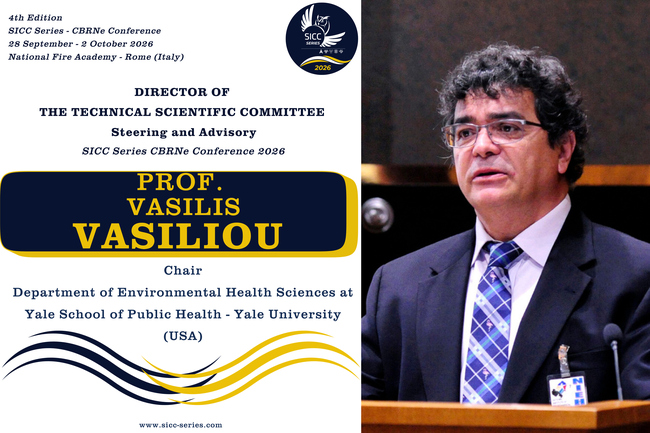
Vasilis Vasiliou, PhD, is the Susan Dwight Bliss Professor of Epidemiology and Chair of the Department of Environmental Health Sciences at Yale School of Public Health, with additional appointments at the Yale Schools of Medicine and the Environment.
He received his BSc in Chemistry and PhD in Biochemical Pharmacology from the University of Ioannina, Greece, and trained as a Fogarty Fellow in molecular toxicology and pharmacogenetics at the University of Cincinnati.
He began his faculty career at the University of Colorado School of Pharmacy, where he rose to Professor and Director of the Toxicology Program, before joining Yale in 2014. An internationally recognized leader in environmental health sciences, Dr. Vasiliou integrates exposomics, including metabolomics and lipidomics, with tissue imaging mass spectrometry and deep learning to elucidate how genetic and environmental factors interact to shape human health. His research identifies biomarkers, elucidates disease mechanisms, and develops preventive and therapeutic interventions.
At Yale, he directs the NIEHS-funded Yale Superfund Research Center, co-leads NIH-funded training programs, and is spearheading the International Translational Exposome Network to advance global collaboration in precision environmental health. He also serves as Editor-in-Chief of Human Genomics (official journal of HUGO) and organizes the International Conferences on Alcohol and Cancer.
New members will be added in the next days, but let's start to present the authorities and experts you can have the chance to meet at SICC Series CBRNe Conference 2026.
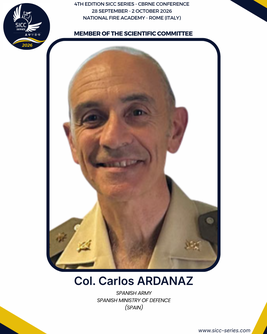
Col Ardanaz has served in the Spanish Army for more than 40 years, fifteen of which have been in CBRN positions, both in CBRN Defence Regiment No. 1, and at the CBRN Def School.
In addition to serving in CBRN Defence, during his service he has gained experience in Legion units, Special Operations, armoured units, and civil affairs. He has participated in missions abroad in Bosnia, Kosovo, North Macedonia, Afghanistan, and Lebanon, and domestically in Operation Balmis with occasion of COVID-19 pandemic.
In his current position, he oversees the development and implementation of CBRN education as a leading Military Training Centre in the Armed Forces, working constantly to strengthen the CBRN defence community. He is member of the Steering Board of the NATO ‘Network of CBRN Defence Facilities’, and moreover he is in the Eurocorps CBRN Expert Group. Colonel Ardanaz holds a degree in History from the UNED University, and a postgraduate course in ‘Civil Protection and Emergency Management’ from the University of Valencia, and has delivered education in the Nuclear and Radiologic Module from international master “Protection against CBRNe events” in University “Tor Vergata” in Rome (Italia).
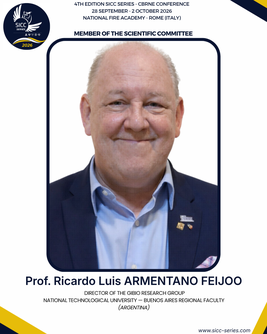
Ricardo Armentano is a biomedical engineer with more than 40 years of experience in research, education, and innovation. His pioneering work in cardiovascular hemodynamics has received international recognition, with more than 300 scientific publications including peer-reviewed articles, books, and book chapters. He is a Fellow of the International Academy of Medical and Biological Engineering and recipient of the IEEE R9 Eminent Engineer Award. Armentano has played a key role in the development of biomedical engineering education in Latin America, designing and leading several undergraduate, master’s, and doctoral programs. His research focuses on physiology-based engineering approaches for the non-invasive assessment of cardiovascular function and early disease detection. Inspired by the systemic thinking of Renaissance polymaths such as Leonardo da Vinci, his work promotes a transdisciplinary vision of engineering inspired by living systems, integrating physiology, physics, and mathematical modeling to understand and address complex biological phenomena.

Giuseppe Bacis graduated in Medicine and Surgery in 1992 from the University of Milan and specialized in Medical Toxicology in 2004 from the University of Pavia. He worked as emergency physician for HEMS and Milan Poison Control Center at Niguarda Hospital in Milan (1993 – 1999). He has worked at Bergamo Hospital since 1999, first in the Emergency Room and then at Bergamo Poison Control Center, which he co-founded, and director since 2015. From 1996 to 2000, he was a Managing & Senior Editor of the Editorial Board of Drugdex (Micromedex Merative , USA). Since 2002, he has been an instructor and director of the Advanced Hazmat Life Support (AHLS – USA) courses in Europe, and he has collaborated as toxicologist in preparation of emergency plans in the event of a chemical accident. From 2008 to 2010, he was a member of the Scientific Committee of the European Association of Poison Centres and Clinical Toxicologists (EAPCCT). He has provided numerous scientific abstracts and invited presentations, as well as published many scientific papers.
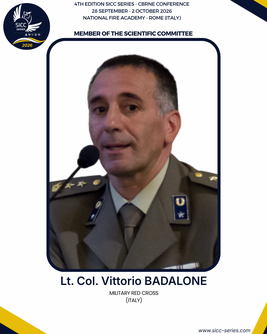
Vittorio Badalone is a Lieutenant Colonel of the Italian Military Corps of the Italian Red Cross, with extensive experience in military medical support, civil protection, and international humanitarian operations. He has served as Head of the Operations and Training Office at the National Inspectorate of the Military Corps, contributing to the planning, coordination, and implementation of operational and training activities in both national and international contexts. His professional activity includes participation in and analysis of complex missions such as Operation “Antica Babilonia” in Iraq, as well as contributions to doctrinal development and dissemination of best practices in emergency response and civil defence. He is also author of publications on the role of the Italian Red Cross Military Corps in international missions and humanitarian assistance, with a focus on operational readiness and support to armed forces and civilian populations in crisis scenarios.
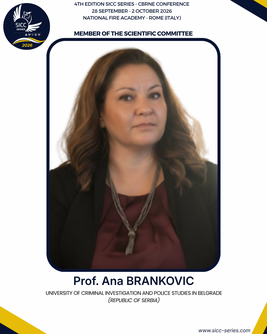
Ana Branković is an Associate Professor at the University of Criminal Investigation and Police Studies in Belgrade, Serbia, where she also serves as Director of the UCIPS CBRNE Center of Excellence. She holds a Ph.D. in Molecular Biology from the University of Belgrade and has built a strong academic career since 2008, progressing from Assistant Trainee to Associate Professor. Her teaching covers biology, forensic sciences, bioweapons, and biosecurity, with particular expertise in forensic botany and zoology. Her research focuses on the application of molecular biology to forensic science, as well as biological weapons and biosecurity. She has authored numerous peer-reviewed publications, contributed to national legislative initiatives such as the Serbian DNA Registry Law, and participated in several international research projects. Her work has received over 320 citations (h-index 7), and she serves on the Editorial Board of The European Physical Journal Plus in the section on Radiation Physics and CBRNe Science.
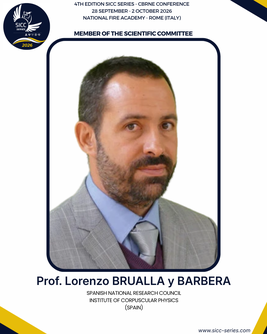
Lorenzo Brualla y Barbera is a senior medical physicist and researcher at the Spanish National Research Council (CSIC), with extensive experience in radiation physics and advanced radiotherapy techniques. He is also affiliated with the University Hospital Essen and the University of Duisburg-Essen in Germany, where he contributes to clinical and research activities in medical physics. His work focuses on Monte Carlo simulations, radiation transport, and the optimisation of radiotherapy treatments, including proton therapy and brachytherapy. He has authored numerous scientific publications in international peer-reviewed journals and is actively involved in international collaborations aimed at improving precision, safety, and effectiveness in radiation-based medical treatments

Edoardo Cavalieri d’Oro is a senior officer of the Italian National Fire and Rescue Service, currently serving as Deputy Fire Chief at the Milan Command and with extensive experience in CBRN operations and emergency management. He has been active in the Fire Brigade since 2004 and has led the CBRN (Chemical, Biological, Radiological, Nuclear and Explosives) unit in Lombardy from the Milan headquarters since 2013. He holds a degree in Nuclear Engineering from the Polytechnic University of Milan and further specialised in risk assessment and system engineering, including advanced training at the Massachusetts Institute of Technology. He has held key roles within the Ministry of the Interior and contributed to scientific research in emergency management, radiological risk, and CBRN response, authoring several publications and supporting the development of advanced operational and technological solutions for first responders.
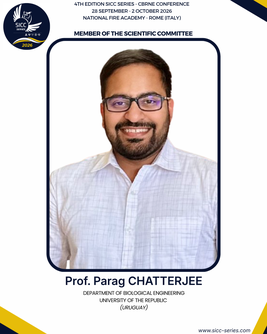
Parag Chatterjee is a professor at the Department of Biological Engineering, University of the Republic (Uruguay), and a senior researcher at the National Technological University (Argentina). He is a member of Uruguay’s National System of Researchers (SNI). His research focuses on the development and application of artificial intelligence, machine learning, and data-driven approaches to risk assessment and decision support in medicine and healthcare systems. This work lies at the intersection of engineering, medicine, and public health, including projects involving predictive modeling of diseases and the development of AI-based clinical decision support systems. Dr. Chatterjee collaborates with research groups in Europe and Latin America on topics including multi-hazard risk assessment, technological risk analysis, and the application of intelligent systems to support decision-making in complex and high-impact clinical environments.
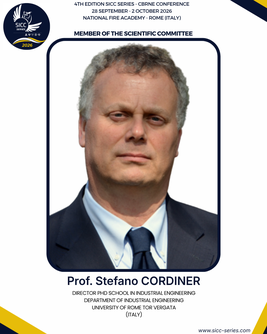
Stefano Cordiner is a Full Professor at the University of Rome Tor Vergata and serves as Coordinator of the PhD Programme in Industrial Engineering. His research activity focuses on energy systems, energy conversion processes, and sustainable technologies, with particular expertise in internal combustion engines, pollutant formation, hydrogen applications, and innovative solutions for clean energy production . He has authored a large number of scientific publications in the field of energy engineering and renewable systems, contributing to advancements in efficient and low-emission technologies . His academic and research work is oriented toward the integration of advanced energy systems with environmental sustainability and the development of innovative engineering solutions for future energy challenges.

Marco D’Arienzo is a medical physicist and radiation protection expert serving as Head Medical Physicist within the UOSD Medical Physics Unit at ASL Roma 6, based at Ospedale dei Castelli. He is responsible for medical physics activities across the entire health authority and acts as Radiation Protection Expert for nuclear medicine and advanced medical technologies. His work focuses on radiation dosimetry, radioprotection, and the safe use of ionising radiation in healthcare and research environments, including applications involving medical accelerators and nuclear technologies. He has authored numerous scientific publications in the field of radiation metrology and dosimetry, contributing to the development of advanced methodologies for radiation safety and clinical applications.
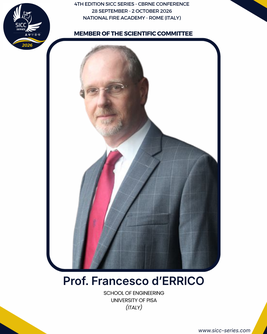
Francesco d’Errico is a Full Professor at the University of Pisa with internationally recognised expertise in radiation physics, dosimetry, and radiological protection. He serves as Director of the Advanced Radiation Protection School “Carlo Polvani” of the Italian Association for Radiation Protection (AIRP), a leading training institution in the field . His research focuses on advanced radiation detection, measurement and imaging, as well as radiation protection in medical, environmental, and emergency contexts. He has led numerous national and international projects and collaborations, including with the International Atomic Energy Agency (IAEA) and Yale University . He has also held key editorial roles, including Editor-in-Chief of the journal Radiation Measurements, and has contributed extensively to scientific literature and international standards in radiation protection and dosimetry.
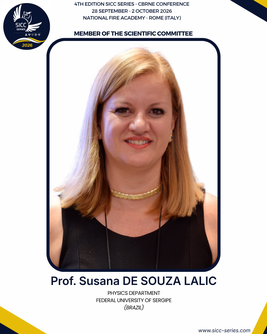
Susana de Souza Lalic is a professor and researcher at the Federal University of Sergipe (UFS), one of the main public academic institutions in northeastern Brazil . Her academic and scientific activities focus on interdisciplinary research in the fields of physics, environmental sciences, and CBRN-related topics, contributing to both teaching and research programmes at undergraduate and postgraduate levels. She has been involved in international collaborations and scientific dissemination, participating in conferences and research initiatives addressing radiation science and environmental monitoring. Her work contributes to the advancement of scientific knowledge and supports the integration of research outcomes into education and applied contexts, particularly in areas related to risk assessment and environmental protection.
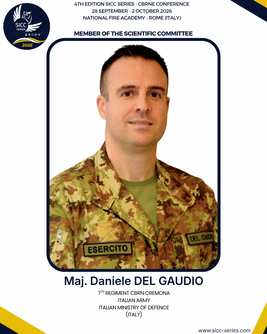
Daniele Del Gaudio is a Major of the Italian Army serving within the 7th CBRN Defence Regiment “Cremona,” the national reference unit for Chemical, Biological, Radiological and Nuclear defence. He has extensive experience in CBRN operations, training, and emergency response, contributing to both military and civil protection activities. His work focuses on operational preparedness, risk assessment, and the management of complex scenarios involving hazardous materials and unconventional threats. He is actively involved in national and international training activities, supporting the development of interoperability between armed forces, first responders, and institutional stakeholders in CBRN environments.

David Della Morte Canosci is a Full Professor of Internal Medicine at the University of Rome Tor Vergata and Director of the Specialization School in Food Science and Clinical Nutrition. He is also affiliated as Associate Professor of Neurology at the University of Miami (USA) and has extensive experience in clinical and translational research. His research focuses on ageing, metabolic and cerebrovascular diseases, integrating molecular, clinical, and preventive approaches. He has authored numerous scientific publications and has held key clinical roles within the Policlinico Tor Vergata, contributing to the development of advanced models in internal medicine, geriatrics, and clinical nutrition.
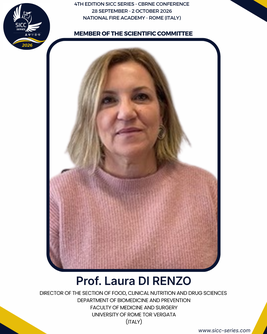
Laura Di Renzo is a Full Professor of Clinical Nutrition at the University of Rome Tor Vergata and Director of the Specialization School in Food Science, within the Department of Biomedicine and Prevention. She holds a Ph.D. in Molecular and Cellular Biology and is an internationally recognised expert in nutrigenomics and body composition. Her research focuses on clinical nutrition, food safety, and the prevention of chronic non-communicable diseases through predictive, preventive, personalised, and participatory medicine approaches. She coordinates several academic programmes, including postgraduate masters on nutrition and eating disorders, and has held institutional roles within national bodies such as the Italian Ministry of Agriculture and sustainable development initiatives. She has authored numerous scientific publications and is included among the top 2% of scientists worldwide for research impact according to Stanford University rankings.
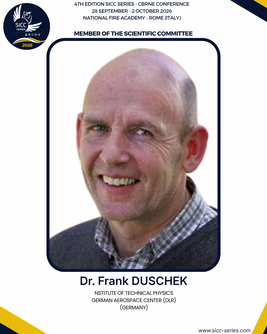
Frank Duschek is a senior scientist at the German Aerospace Center (DLR), where he serves as Head of the Department “Atmospheric Propagation and Effect” at the Institute of Technical Physics. He obtained his Ph.D. in resonance Raman spectroscopy from the University of Würzburg in 1996 and subsequently joined DLR, focusing on research and development of high-power and chemical laser systems. Since 2008, his work has concentrated on standoff detection of chemical, biological, and explosive hazards using advanced laser-based spectroscopy techniques, supporting defence and security applications. His research contributes to the development, evaluation, and operational deployment of innovative detection technologies, as well as to training and advisory activities for end users in complex CBRNe scenarios.

Leonardo Emberti Gialloreti is a medical statistician with long-standing experience in biostatistics and epidemiological research, Coordinator of the Master Degree Programme in Medicine and Surgery at the University of Rome Tor Vergata. His work focuses on the application of statistical methodologies to clinical research, public health, and evidence-based medicine. He has been involved for many years in teaching medical statistics and supporting clinical studies, contributing to study design, data analysis, and interpretation of results in multidisciplinary healthcare contexts. His activity integrates academic teaching and applied research, supporting the development of robust scientific methodologies in medical and clinical environments.

Richard “Rick” Fontana is a senior emergency management professional with extensive experience in public safety and homeland security. He served for over 16 years as Director of Emergency Operations for the City of New Haven, overseeing large-scale emergency preparedness, response planning, and coordination with local, state, and federal agencies. He currently serves as Emergency Management Director for the City of West Haven and is a Commissioner of the Connecticut Commission on Fire Prevention and Control, as well as a federal Operations Section Chief within the Connecticut Division of Emergency Management and Homeland Security. A retired firefighter and paramedic, he holds a Master’s degree in National Security and Public Safety and has extensive experience working with FEMA frameworks, grant acquisition, and interagency coordination. His work focuses on strengthening resilience, emergency planning, and multi-level governance in disaster and crisis management.
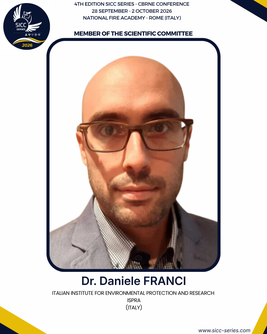
Daniele Franci is a technologist and researcher at the Italian Institute for Environmental Protection and Research (ISPRA), with a background in physics and extensive experience in environmental monitoring and radiation-related measurements. He has developed significant expertise in electromagnetic fields (EMF), ionising radiation, and environmental radioactivity, contributing to experimental campaigns, modelling, and regulatory assessment activities. His work focuses on exposure assessment, measurement methodologies, and the evaluation of emerging technologies such as 4G and 5G systems, supporting public health protection and environmental safety. He has authored numerous scientific publications in international journals and conferences, contributing to the advancement of measurement techniques and risk assessment approaches in the field of environmental physics.

Mariapina Gallo graduated in Medicine and Surgery and completed her postgraduate specialization in Clinical Pharmacology and Toxicology. She also obtained a Master’s degree in Civil Protection against CBRN events from the University of Rome “Tor Vergata.” She currently works as a medical toxicologist at the Bergamo Poison Control Center, Papa Giovanni XXIII Hospital in Bergamo. She is an Instructor in the Advanced Hazmat Life Support (AHLS) Program of the University of Arizona, USA, and serves as a lecturer in Pharmacology and Toxicology at the University of Milano-Bicocca. Her main areas of expertise include medical emergencies related to hazardous materials (HazMat) and chemical, biological, radiological, nuclear, and explosive (CBRNe) events, as well as poisoning from chemicals, pharmaceuticals, and natural toxins. Her work spans both acute clinical management and preparedness for large-scale complex threats, including risk assessment, treatment protocols, and interagency coordination. She has contributed numerous scientific abstracts, delivered invited presentations, and authored multiple peer-reviewed publications in her field.
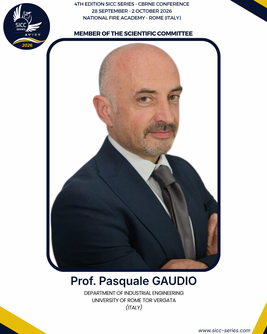
Pasquale Gaudio is an Associate Professor of Physics at the University of Rome Tor Vergata, with expertise in quantum electronics, plasma physics, and laser applications. He holds a Ph.D. in Quantum Electronics and Plasma Physics and has extensive research experience in laser diagnostics, environmental monitoring, and nuclear fusion. His work focuses on advanced laser systems, including LIDAR and DIAL technologies for pollutant detection, hazardous gas monitoring, and CBRNe applications. He has been actively involved in national and international research projects, collaborating with major institutions such as EURATOM for fusion research, and has contributed to the development of innovative technologies for environmental safety and security.

Michela Gelfusa is an Associate Professor of Nuclear Engineering at the University of Rome Tor Vergata, with expertise in plasma physics, nuclear fusion, and advanced diagnostics for thermonuclear reactors. She holds a Ph.D. in Quantum Electronics and Plasma Physics and has extensive research experience in the development of diagnostic systems for fusion plasmas, tomographic inversion techniques, and machine learning applications for anomaly detection and disruption prediction in complex systems. She has been a visiting scientist at EUROfusion (JET) and has contributed to international projects related to ITER and fusion energy. Author of over 200 scientific publications, her work focuses on advanced energy systems, environmental physics, and the integration of data-driven approaches in nuclear and plasma engineering.

Francesco Geri is an Italian CBRN expert currently serving at the Dipartimento della Protezione Civile of the Presidenza del Consiglio dei Ministri. With a strong engineering background, he is actively involved in national-level risk governance, emergency planning, and operational preparedness in the field of CBRN and Natech scenarios. He contributes to the development and testing of external emergency plans, focusing on communication flows, interagency coordination, and real-time scenario assessment in complex crisis environments . He has extensive experience in organizing and managing large-scale exercises involving multiple stakeholders, including Civil Protection, Fire Brigades, and maritime authorities . He regularly participates as a speaker in national and international CBRNe conferences, addressing topics such as the Italian National Radiological and Nuclear Emergency Plan and operational strategies for risk mitigation . His work is characterized by a strong focus on integration between technical, institutional, and operational domains to enhance national resilience and response capabilities.
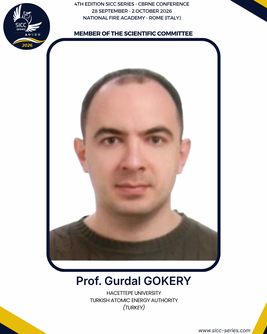
Gürdal Gökeri is an Assistant Professor in the Department of Nuclear Engineering at Hacettepe University, Turkey, where he completed his B.Sc., M.Sc., and Ph.D. in Nuclear Engineering. His research focuses on emergency preparedness and response, radiological effects, and the application of Monte Carlo methods in radiation physics. He has contributed to scientific studies in medical physics and radiation therapy modelling, including simulation-based analyses of advanced radiotherapy techniques. His expertise also extends to disaster management, atmospheric dispersion modelling, and nuclear emergency planning, supporting both academic research and applied activities in nuclear safety and CBRN-related fields.
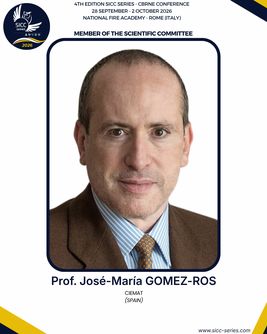
José María Gómez-Ros is a former Research Professor at CIEMAT, the Spanish national research centre for energy, environment, and advanced technologies. He holds degrees in Physics and Mathematics and has extensive expertise in radiation protection, dosimetry, and environmental radioactivity. His research focuses on neutron detection, thermoluminescent dosimetry, and Monte Carlo simulation of radiation transport, contributing to both fundamental studies and applied radiation protection. He has authored a large number of scientific publications and participated in international collaborations and intercomparison exercises, particularly within European radiation protection networks. His work supports the assessment and mitigation of radiological risks, with applications in medical, environmental, and occupational radiation safety.
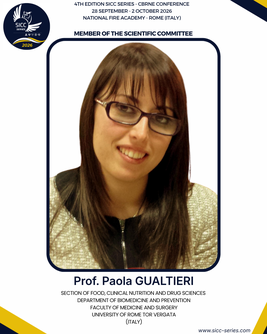
Paola Gualtieri is an Associate Professor of General Pathology at the University of Rome Tor Vergata, within the Department of Biomedicine and Prevention. Her academic and research activities focus on clinical nutrition, nutrigenomics, and the molecular mechanisms underlying metabolic and chronic diseases. She has extensive experience in translational research, integrating laboratory investigations with clinical applications to support personalised nutrition and preventive medicine approaches. She has authored numerous scientific publications in international peer-reviewed journals and contributes to teaching in undergraduate and postgraduate programmes in medicine and health sciences, supporting the development of interdisciplinary approaches to disease prevention and health promotion.

Matteo Guidotti is a Senior Researcher at the Institute of Chemical Sciences and Technologies (SCITEC) of the Italian National Research Council (CNR). He obtained his degree in Chemistry in 1997 and a PhD in Industrial Chemistry in 2000. His research focuses on solid nanostructured catalysts for the degradation of hazardous chemical and biological agents and for the sustainable synthesis of high value-added chemicals. He is actively involved in training and awareness activities related to protection, prevention, mitigation, and defence against CBRNe threats. He currently serves as Chair of the Scientific Advisory Board of the Organisation for the Prohibition of Chemical Weapons (OPCW), Secretary of Division VI (Chemistry and Environment) of IUPAC, and President of the Italian Commission for IUPAC, contributing to international scientific cooperation and policy development in chemical safety and environmental protection.
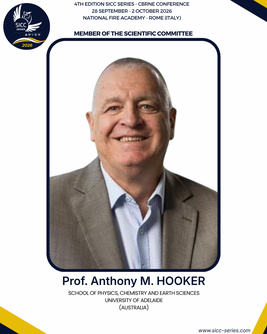
Tony Hooker is a radiation biologist with research interests in the mechanisms of radiation induced damage. Tony is the inaugural Director of the Centre for Radiation Research, Education, and Innovation at Adelaide University (where is serves as Professor) and has been CI on research grants, including ARC, Defence, international collaborative, and industry grants totalling ~$30M. He has sat on national radiation committees such as the National Radiation Health Committee, the Australian and New Zealand Counter Terrorism Committee CBRN Training Advisory Group and the SA CBRN Emergency Management Committee. He is a consultant to the International Atomic Energy Agency in several areas including Radiation EPR. Tony is a Fellow and Past President of the Australasian Radiation Protection Society and Member of the Australasian College of Physical Scientists and Engineers in Medicine.
Amer Hosin is a professor of psychology at Ulster University with expertise in trauma, conflict, and the psychosocial impact of violence on children and communities. He has contributed to academic and editorial work in the field of trauma studies, including research on responses to traumatized children in conflict environments. His academic activity focuses on the intersection between psychology, social conflict, and community resilience, supporting both research and policy-oriented approaches to post-conflict recovery and mental health.
Masahiro Hosoda is Professor of Hirosaki University Graduate School of Health Sciences, Japan. His research focuses on environmental radiation and radionuclides, including radiation measurement, behavior analysis, and dose assessment. He specializes in the evaluation of external and internal exposure, as well as the measurement and analysis of environmental radioactivity and natural radiation, particularly radon and terrestrial radiation, within the field of health physics. He also conducts research on advanced radiation measurement techniques and dose assessment in nuclear emergencies and radiological incidents.

Oleg Illiashenko is a Senior Lecturer in Cyber Security and Digital Forensics at Leeds Beckett University (UK), External Examiner at Abertay University (UK), and a Visiting Professor at National Aerospace University “KhAI” (Ukraine). His research focuses on cybersecurity assurance, security-informed safety, and resilience of cyber-physical and critical infrastructure systems. Between 2022 and 2025, he conducted research at the Institute of Information Science and Technologies (ISTI-CNR) and the Institute of Informatics and Telematics (IIT-CNR) of the National Research Council of Italy, managing the Horizon-funded research and European initiatives on trustworthy digital infrastructures and cyber-physical security. His work integrates cybersecurity, safety engineering, and dependability analysis to protect critical infrastructure against complex threats, including cyber-physical disruptions and hybrid risks affecting societal resilience. Dr Illiashenko has authored or co-authored more than 115 scientific publications and technical reports, including 15 monographs, and has presented his work at over 50 international conferences worldwide over the past 10 years. He regularly contributes to international research initiatives and serves as a reviewer for leading journals in cybersecurity, dependable systems, and critical infrastructure protection.
Stephen Johnson is a retired Lieutenant Colonel of the British Army and former senior academic at Cranfield University, based at the UK Defence Academy, with extensive expertise in CBRNE defence, counter-terrorism, and forensic intelligence. He has served in military operations across multiple regions and later held key roles within the UK Ministry of Defence, including leading C-CBRN training policy and capability development at the Land Warfare Centre. He has also worked in government and industry, including the Foreign and Commonwealth Office and Thales UK, contributing to the development of advanced CBRN detection systems. At Cranfield University, he serves as Course Director for MSc programmes in forensic and explosive investigation, teaching on CBRN, intelligence, and hazardous scene analysis while collaborating with international organisations such as the ICRC and European institutions. His research focuses on forensic exploitation, intelligence analysis, and modelling of terrorism risks, and he has authored publications and books in the field of CBRNE and security studies

Alan Kearney is a retired Irish Army Commandant and defence technologist with over 36 years of experience in defence operations, CBRNe, and capability development. He currently serves as International Business Development Manager and Head of Research & Development in a European defence technology company specialising in night vision, electro-optics, and soldier systems, where he secured €3 million in funding for a counter-UAS programme. A former Officer Instructor at the Irish Army Ordnance School, he has delivered advanced training in counter-terrorism, CBRNe, and C-IED across Europe and North America. He has lectured within the CBRNe Master’s Programme at the University of Rome Tor Vergata and contributed to major EU research frameworks, including FP7 and Horizon 2020. His military career includes multiple deployments with UNIFIL and ISAF, alongside senior roles in research, innovation, and operational leadership. He is currently a PhD candidate at Maynooth University and author of numerous publications in international defence and security journals.
Vyacheslav Kharchenko is a Corresponding Member of the National Academy of Sciences of Ukraine and a Professor with a Doctor of Science degree in Engineering, serving as Head of the Department of Computer Systems, Networks and Cybersecurity at the National Aerospace University “Kharkiv Aviation Institute” and Head of the Centre for Safety Infrastructure Research and Analysis at RPC Radiy. His research focuses on safety and security of critical infrastructures, including nuclear power plants and small modular reactors, as well as dependable and resilient AI systems, cybersecurity, and fault-tolerant computing. He has authored hundreds of scientific publications with thousands of citations and has contributed extensively to international research on safety-critical systems, software reliability, and advanced digital technologies. His work also explores emerging topics such as AI quality, explainable AI (XAI), and the use of autonomous and AI-based systems in hazardous environments, supporting innovation in both industrial and security domains.

Maxim Kustov is a Professor at the National University of Civil Protection of Ukraine and an expert in civil protection and CBRN-related risk management. He has extensive experience in chemical safety, hazardous materials behaviour, and emergency response modelling, with a strong academic and research background. He has contributed to scientific studies on the behaviour of dangerous substances and environmental risk mitigation. He is actively involved in education and training of civil protection professionals and in international scientific cooperation. His expertise focuses on civil protection, chemical risk assessment, and preparedness for complex emergency and CBRN scenarios.
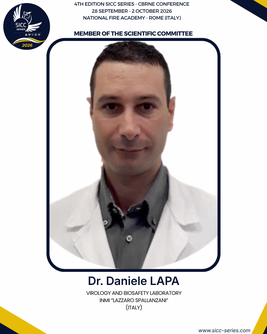
Daniele Lapa is a Virologist at the INMI “Lazzaro Spallanzani” Virology and Biosafety Laboratory, with extensive multi-year experience in handling high-risk viral pathogens in BSL-3 and BSL-4 facilities, he earned a PhD in Microbiology and Virology in 2011, followed by a Master’s degree in Molecular Virology in 2013 and an International Master’s degree in CBRN in 2025; in 2020, he was awarded the Order of Merit of the Italian Republic for his contribution during the COVID-19 epidemiological emergency, and he is the author of over 90 publications in international journals; in 2015, he participated in a mission to Sierra Leone supporting the population during the Ebola outbreak through diagnostic activities on Ebola and malaria viruses, receiving a certificate of merit from INMI “Lazzaro Spallanzani” as a member of the Ebola laboratory task force in Italy; since 2022, he has served as scientific manager of the BSL-3 and BSL-4 biosafety course for healthcare workers at INMI, as well as virologist representative in the CBRN Italia project, while also acting as operational manager and member of the internal Biosafety Committee (CIB) for the 2022–2025 period; he is actively involved in several European projects focused on emerging pathogens and BSL-4 laboratories, serves as Principal Investigator of multiple national and international public health projects, and since 2023 has been a member of the scientific technical committee of the first-level Master’s program in Transport Security, Safety, and Cyber Protection (MISAS) at the University of Tuscia, contributing expertise in bioterrorism; in 2024, he also represented INMI “Lazzaro Spallanzani” at the first annual meeting of the Global Partnership against Weapons of Mass Destruction at the Italian Ministry of Foreign Affairs and International Cooperation.

Giuseppe Liotta is a Full Professor of Hygiene and Public Health at the University of Rome Tor Vergata, where he serves as Director of the Section of Hygiene and Epidemiology and of the Specialization School in Hygiene and Preventive Medicine. (directory.uniroma2.it) His academic and research activities focus on epidemiology, public health, and global health, with particular expertise in infectious diseases, health systems, and emergency response in vulnerable populations. He has been actively involved in international health initiatives, including collaborations with the World Health Organization and humanitarian programmes, and has contributed to the development of strategies for disease prevention and health promotion. He has authored numerous scientific publications and plays a key role in training medical professionals and public health specialists, contributing to the advancement of preventive medicine and epidemiological research.
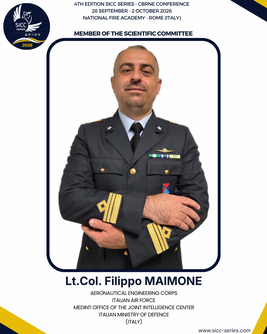
Filippo Maimone is a Lieutenant Colonel of the Italian Air Force, serving within the Aeronautical Engineering Corps. After earning his Master’s Degree and Ph.D. in Physics from the University of Salerno, he developed his professional expertise within the Armed Forces, holding staff positions and serving as Head of Section at the National Center for Aeronautical Meteorology and Climatology (CNMCA). He got CBRN qualification at the Italian Joint NBC Defence School in 2018 and a specialization in mathematical modeling of infection diseases at the Imperial College of London in 2019. He is currently assigned to the MEDINT Office of the Joint Intelligence Center, where he is responsible for mathematical modeling and data analysis.
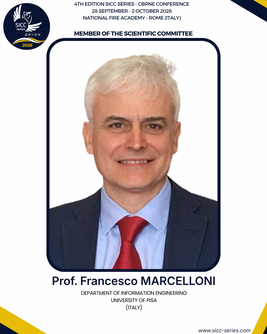
Francesco Marcelloni is a Full Professor at the Department of Information Engineering of the University of Pisa and serves as Director of the Knowledge Hub on Artificial Intelligence of the European university alliance Circle U., as well as coordinator of the multidisciplinary Good AI Lab and the public–private IT2PAO Lab. He is also a member of the University’s Board of Directors. His research focuses on federated learning, explainable artificial intelligence (XAI), fake news detection, sentiment analysis, opinion mining, and clustering algorithms. He is the (co-)author of one book and more than 290 scientific publications and has edited several volumes and special issues of international journals. He has received prestigious recognitions including the IEEE Transactions on Fuzzy Systems Outstanding Paper Award (2021) and the IEEE Computational Intelligence Magazine Outstanding Paper Award (2022), and currently serves as Associate Editor of international journals, General Chair of international conferences, and coordinator of numerous national and international research projects.
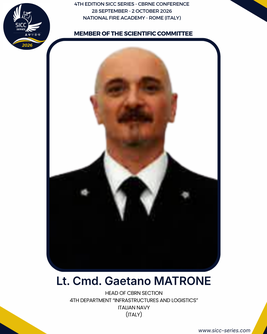
Gaetano Matrone is an Industrial Chemist, licensed since 2001, currently serving in the Italian Navy General Staff within the 4th Department “Infrastructures and Logistics,” where he heads the CBRN Section. He holds a Degree in Industrial Chemistry from the University of Naples “Federico II,” graduating with top marks (110/110). He further specialized by obtaining a Second Level Master’s Degree in Protection against Chemical, Biological, Radiological and Nuclear (CBRN) Incidents from the University of Rome “Tor Vergata,” graduating with 110/110 cum laude. His advanced training includes the Introduction to the International CBRN Training Curriculum at the NATO Joint CBRN Defence Centre of Excellence in Vyskov. He also completed the XLI Course in Civil/Military Cooperation (COCIM) at the Italian Centro Alti Studi per la Difesa, achieving 30/30 cum laude. Additionally, he attended the NATO CBRN Defence Orientation Course at the NATO School in Oberammergau. With extensive experience in defence and logistics, he plays a key role in CBRN preparedness and operational planning within the Italian Navy.
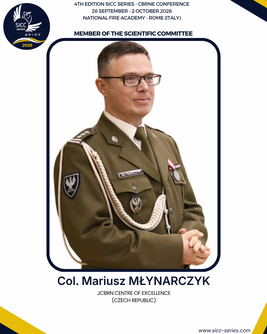
Mariusz Młynarczyk is a Colonel of the Polish Armed Forces with extensive experience in Chemical, Biological, Radiological and Nuclear (CBRN) defence and international military cooperation. He serves at the NATO-accredited Joint CBRN Defence Centre of Excellence (JCBRN CoE) in the Czech Republic, contributing to multinational training, doctrine development, and capability enhancement in the CBRN domain. Throughout his career, he has held key operational and staff positions within the Polish Armed Forces, focusing on CBRN protection, preparedness, and interoperability with NATO and partner nations. His work supports the development of advanced approaches to CBRN risk mitigation, training, and response in complex security environments.
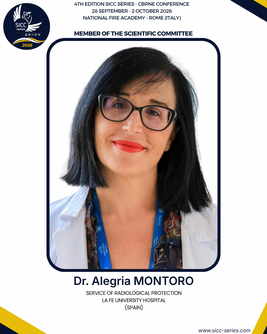
Alegría Montoro is a senior medical physicist at the Hospital Universitari i Politècnic La Fe in Valencia, with extensive expertise in radiation protection, biodosimetry, and radiobiology. Her research focuses on the biological effects of ionising radiation, including the use of cytogenetic techniques for dose assessment and the evaluation of radiation exposure in medical and emergency contexts. She has been actively involved in international research projects and collaborations related to radiological protection and emergency preparedness, contributing to the development of methodologies for assessing radiation-induced damage. She has authored numerous scientific publications in international journals and plays an active role in training and scientific dissemination in the field of medical physics and radiological protection.
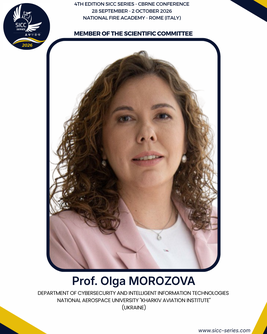
Olga Morozova is a Professor at the National Aerospace University “Kharkiv Aviation Institute” (KhAI), where she also serves as Deputy Dean for Educational and Pre-University Activities. She holds a Doctor of Technical Sciences degree and has extensive experience in computer systems, cybersecurity, and information technologies. Her research focuses on artificial intelligence, Internet of Things (IoT), digital twins, and the security and reliability of critical information systems. She has participated in major international projects, including EU-funded programmes such as Erasmus+ and Horizon 2020, and has authored more than 200 scientific publications. Her work contributes to the development of advanced digital technologies and resilient systems for industrial, aerospace, and security applications.
Andrea Murari received his B.A. in Applied Electronics, his M.S. degree in Plasma Engineering and his Ph.D. in Nuclear Power Plants in 1989, 1991 and 1993 respectively. After a period in the private sector in the field of electronic and telecommunications, he has mainly worked in measurements, data analysis techniques, applications of AI and control to high temperature plasmas. Between 1998 and 2002 was leader of the technical group supporting all diagnostics of the RFX experiment. Between 2002 and 2010 he was Task Force Leader for Diagnostics on JET and between 2008 and 2014 he has also covered the role of Head of JET CSU Group on Diagnostics and CODAS (COntrol and Data Acquisition). From July 2008 to the end of 2016 he has coordinated the European participation to the ITPA topical group on diagnostics. From 2011 to 2020 he was the official interface of JET to the EIROFORUM Thematic Group on Instrumentation and he has chaired the Group in 2018 and 2019. Between 2014 and 2020 he has covered the roles of the Head of the Enhancement Department and Leader of the JET Team of the EUROfusion ITER Physics Department. Since 2023 he is responsible officer of the Neutral Beam and Lead Engineer of the diagnostics for the Divertor Tokamak Test facility in Frascati.
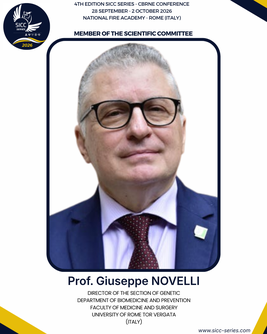
Giuseppe Novelli is a Full Professor of Medical Genetics at the University of Rome Tor Vergata and a leading expert in human genetics and molecular medicine. He has served as Rector of the University of Rome Tor Vergata from 2013 to 2019 and previously as Dean of the Faculty of Medicine and Surgery. He has directed the Medical Genetics Laboratory at the Policlinico Tor Vergata since 2001 and has held adjunct professorships at international institutions, including universities in the United States. His research focuses on the identification and characterization of genes involved in inherited and multifactorial diseases, contributing significantly to advances in genomics, pharmacogenetics, and precision medicine. He has authored numerous scientific publications and played key roles in national and international scientific organizations, supporting the development of biomedical research and higher education.
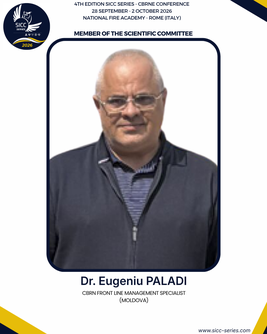
Eugeniu Paladi is a CBRN Front Line Management Specialist with operational experience in the management of chemical, biological, radiological, and nuclear incidents. His professional activity focuses on frontline coordination, emergency response, and the implementation of procedures for detection, protection, and mitigation in hazardous environments. He has been involved in training and operational support activities aimed at strengthening the preparedness of first responders and improving interagency coordination in complex CBRN scenarios. His work contributes to enhancing response capabilities, situational awareness, and decision-making processes in high-risk environments, supporting both national and international security frameworks.
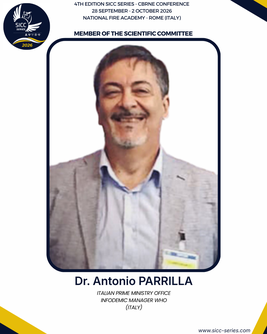
Antonio Parrilla is an Italian CBRN expert and communication specialist currently working at the Department of Sport of the Presidenza del Consiglio dei Ministri. He holds a degree in Computer Science and multiple postgraduate qualifications, including two Master’s degrees in Public Administration quality and two Master’s degrees in CBRN Emergency Management. He is a lecturer at the University of Rome Tor Vergata within the International Master Courses in Protection against CBRNe Events, where he teaches emergency and risk communication. Expert in strategic communication, crisis communication, and infodemic management, he was certified as an Infodemic Manager by the World Health Organization in 2020 and later served as a tutor in subsequent training programs. He has professional experience within the Italian central administration, including roles in classified communication systems and institutional information management. He is also the author of the book “How the Communication of CBRNe Events Changes in the Era of Social Media and Fake News” and actively contributes to European and national projects related to communication, security, and emergency respons

Maria Gabriella Pugliese is a Professor of Physics at the Department of Physics “Ettore Pancini” of the University of Naples Federico II, with expertise in applied physics and radiation science. She is also affiliated with the National Institute for Nuclear Physics (INFN) in Naples and has played a leading role in the field of radiation research, including serving as President of the Italian Society for Radiation Research (SIRR). Her research focuses on ionising and non-ionising radiation, radioprotection, and environmental and biomedical applications of radiation physics. She has contributed to numerous scientific publications and national initiatives, including projects on radiation awareness and education, promoting interdisciplinary approaches across physics, medicine, and environmental sciences.
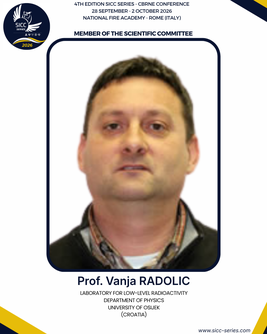
Vanja Radolić is an Associate Professor of Physics and Head of the Department of Physics at the Josip Juraj Strossmayer University of Osijek, Croatia. Her research focuses on radiation physics, environmental radioactivity, and radon measurements in air, soil, and water, contributing to the assessment of radiological risks and environmental monitoring. She has authored numerous scientific publications in international journals and has been actively involved in national and European research initiatives, including work within the Croatian Radiation Protection Association and the European Radon Association. Her academic activity combines experimental research and teaching, supporting the advancement of radiation protection, environmental safety, and applied physics.
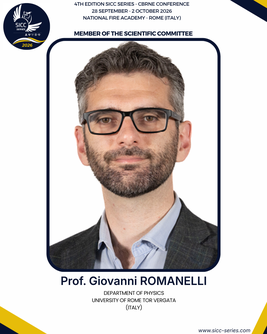
Giovanni Romanelli is an Associate Professor of Applied Physics at the University of Rome Tor Vergata, where his research focuses on neutron scattering, materials science, and advanced experimental techniques for condensed matter and chemical physics. He obtained his Ph.D. in Physics from Tor Vergata and has conducted research at major international facilities, including the ISIS Neutron and Muon Source in the United Kingdom, where he worked as instrument scientist on neutron spectrometry. His work includes the study of quantum effects in materials, neutron instrumentation, and multidisciplinary applications of neutron techniques. He has authored numerous scientific publications and is actively involved in teaching and academic activities, including doctoral programmes and specialised courses in neutron physics and applications, contributing to the advancement of experimental physics and large-scale research infrastructures.
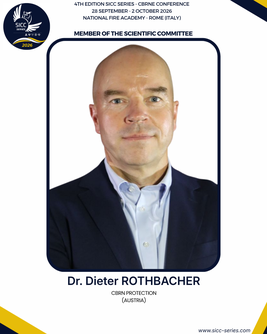
Dieter Rothbacher is a CBRN and Weapons of Mass Destruction (WMD) expert with over 25 years of professional experience in defence, inspection, and international training. He is the CEO of CBRN Protection GmbH and a graduate of the Austrian Military Academy, having served for more than 15 years as a CBRN Defence Officer in the Austrian Armed Forces. He has also worked for approximately a decade with the Organisation for the Prohibition of Chemical Weapons (OPCW) as an Inspection Team Leader and lead trainer for chemical weapons inspectors, and participated in UN missions (UNSCOM and UNMOVIC) in Iraq related to WMD inspection and destruction. His activities include extensive international training for military and first responders across multiple regions, and he is actively involved in academic programmes such as the International Master Courses in Protection against CBRNe Events at the University of Rome Tor Vergata.

Carlo Rusconi is a senior manager at SOGIN, the Italian state-owned company responsible for nuclear decommissioning and radioactive waste management. He has extensive experience in nuclear engineering, safety, and the management of complex decommissioning projects, contributing to the dismantling of nuclear facilities and the safe handling and storage of radioactive materials. His professional activity focuses on regulatory compliance, project management, and the development of strategies for long-term radioactive waste disposal. He has been involved in national and international initiatives related to nuclear safety, environmental protection, and radiological risk management, supporting Italy’s commitments to international standards and best practices in the nuclear sector.

Qasim Saleh is Director of the HAZMAT Center of the Bahrain Police under the Ministry of Interior, with extensive experience in chemical, biological, radiological, and nuclear (CBRN) incident management. His professional activity focuses on hazardous materials response, detection and identification of dangerous substances, and the implementation of protective and mitigation strategies in high-risk environments. He plays a key role in developing operational procedures, training first responders, and enhancing national preparedness and interagency coordination for emergency response. His work supports the strengthening of national resilience and security frameworks in addressing complex CBRN and hazardous materials threats.
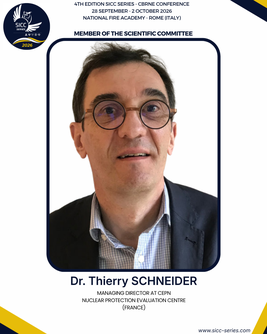
Thierry Schneider is Director of the CEPN (Centre d’étude sur l’Évaluation de la Protection dans le domaine Nucléaire), a leading research organisation in the field of radiation protection and nuclear risk assessment. He has extensive experience in radiological protection, post-accident management, and stakeholder engagement, with a strong focus on decision-making processes in complex radiological situations. His work includes the development of strategies for managing long-term consequences of nuclear accidents, particularly through international projects and cooperation with European and global institutions. He has played a key role in initiatives related to post-Chernobyl and post-Fukushima recovery, promoting participatory approaches and the involvement of affected communities. He has authored numerous scientific publications and contributed to international guidelines and frameworks in radiological protection and nuclear safety.
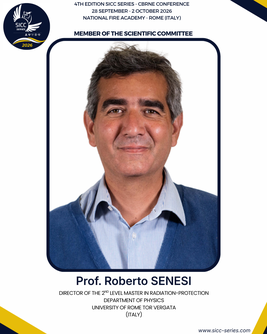
Roberto Senesi is a Full Professor of Applied Physics at the University of Rome Tor Vergata, with over 25 years of experience in neutron science and large-scale research infrastructures. His research focuses on neutron instrumentation, condensed matter physics, and advanced experimental techniques, with key contributions to major international facilities such as the ISIS Neutron and Muon Source and the European Spallation Source. He has played a leading role in the design and development of neutron spectrometers and irradiation systems and currently coordinates research activities within international infrastructures such as ISIS@MACH Italia. He has authored more than 150–170 scientific publications and has been actively involved in international collaborations and access panels for major neutron facilities worldwide.
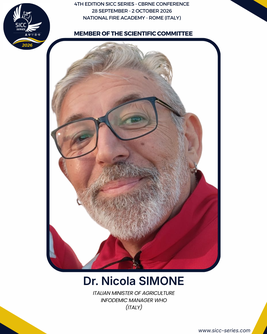
Nicola Simone is an Italian CBRN expert and medical professional specialized in emergency medicine, toxicology, and preparedness for chemical, biological, radiological, and nuclear incidents. He is actively involved in clinical and operational activities related to emergency response, with a focus on the medical management of CBRN casualties and hospital preparedness. He collaborates with the University of Rome Tor Vergata within the International Master Courses in Protection against CBRNe Events, contributing as a lecturer to training activities for first responders and decision makers. His expertise includes clinical risk assessment, decontamination procedures, and the management of mass casualty incidents in contaminated environments, integrating medical knowledge with operational protocols. He regularly participates in national and international exercises, training programs, and scientific initiatives aimed at strengthening healthcare system resilience and interdisciplinary coordination in CBRN scenarios.

Dr. Paolo Maurizio Soave is a consultant physician specialised in Anesthesiology, Intensive Care, and Clinical Toxicology at the Fondazione Policlinico Universitario Agostino Gemelli IRCCS, where he works within the Department of Emergency, Anesthesiology and Intensive Care Sciences. His clinical and research activities focus on emergency medicine, toxicology, critical care management, and preparedness for Chemical, Biological, Radiological, Nuclear and Explosives (CBRNe) incidents. He has extensive experience in the management of acute intoxications, emergency response, and hospital preparedness for non-conventional threats. Dr. Soave is actively involved in academic training and multidisciplinary education programmes related to CBRNe medical management, contributing to the development of healthcare preparedness and resilience in complex emergency scenarios. He has authored and co-authored several scientific publications in toxicology, emergency medicine, and critical care.
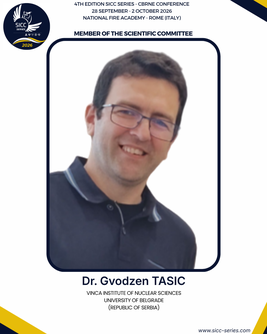
Gvozden Tasić is a senior researcher at the Vinča Institute of Nuclear Sciences, University of Belgrade, with expertise in nuclear science, radiation protection, and environmental monitoring. His research focuses on the analysis of radioactive materials, radiological safety, and the application of nuclear technologies in environmental and industrial contexts. He has participated in national and international research projects related to radiation protection and nuclear safety and has contributed to scientific publications in the field. His work supports the development of methodologies for radiological risk assessment and the safe management of radioactive substances, contributing to both research and operational applications in nuclear science and environmental protection.
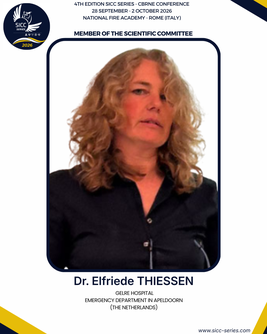
Elfriede Thiessen is a medical specialist in emergency and disaster medicine at Gelre Hospitals in Apeldoorn, the Netherlands, with extensive experience in acute care, emergency preparedness, and crisis response. Her professional activity focuses on the management of medical emergencies, hospital preparedness, and the coordination of healthcare responses to major incidents, including CBRN-related scenarios. She is actively involved in training and simulation exercises for healthcare professionals, contributing to the development of protocols and best practices for emergency and disaster medicine. Her work supports the strengthening of hospital resilience and the integration of clinical response within broader national and international emergency management frameworks.

Angelo Tirabasso graduated in 2007 in Medical Engineering from the University of Rome “Tor Vergata”, where he also obtained a PhD in Otorhinolaryngology Sciences. He is listed in the Italian Ministry register of Qualified Experts (now Radiation Protection Experts) with Level III certification. He is also certified as a Laser Safety Expert, MRI Safety Responsible Expert, and Radon Remediation Expert. He currently serves as a Senior Researcher at INAIL (Italian National Institute for Insurance against Accidents at Work), where his work focuses on physical agents, particularly vibrations, noise, optical radiation, and ionising radiation. He is a member of the Radiation Protection and Emergency Commission of the Order of Engineers of Rome and of Working Group SC 01 of UNI/CT 045 for the update of the UNI/TR 11496 standard. Since 2012, he has been a contract lecturer for the course “Environmental Technical Physics: Ionising Radiation” within the Degree Programme in Prevention Techniques in the Environment and Workplaces at the University of Rome “Tor Vergata”. Since 2024, he has also been a lecturer in the Second-Level Master’s Programme in “Protection against Ionising Radiation” organised by the Sapienza University of Rome.
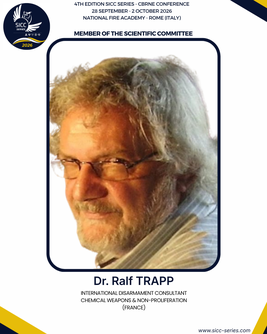
Ralf Trapp is an internationally recognised independent consultant in chemical and biological weapons arms control, safety, and security, with over four decades of experience in disarmament and non-proliferation. Trained as a chemist and toxicologist, he worked at the Academy of Sciences of the former GDR and served as a technical adviser during the negotiations of the Chemical Weapons Convention at the Geneva Conference on Disarmament. He later joined the Technical Secretariat of the Organisation for the Prohibition of Chemical Weapons (OPCW), where he held senior roles in verification policy, international cooperation, and strategic planning, and served as Secretary of the OPCW Scientific Advisory Board from 1998 to 2006. Since 2006, he has worked as an independent consultant, advising organisations such as the United Nations, the European Commission, the OPCW, and the International Committee of the Red Cross on WMD arms control, compliance, and international security policy.

Michele Treglia is a Associate Professor in Legal Medicine at the University of Rome Tor Vergata, affiliated with the Department of Biomedicine and Prevention. He is a medical doctor specialised in forensic medicine and currently serves as a medical officer in Legal Medicine at the Policlinico Tor Vergata, with additional roles in teaching and postgraduate training. His academic activity includes teaching legal medicine within health-related degree programmes and contributing to doctoral research in forensic sciences. He is also involved in medico-legal practice and institutional activities, including participation in ethics committees and professional bodies, and has been appointed to leadership roles in legal medicine services within the regional healthcare system.
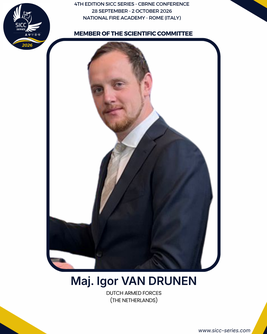
Igor van Drunen is an officer of the Royal Netherlands Army with experience in operational activities and CBRN (Chemical, Biological, Radiological and Nuclear) defence. His professional activity focuses on preparedness, response, and risk management in complex and high-risk environments, supporting military operations and civil protection tasks. He has been involved in training and multinational exercises aimed at enhancing interoperability and coordination among allied forces. His work contributes to the development of operational capabilities and resilience in addressing emerging security threats, including hazardous materials and CBRN incidents.
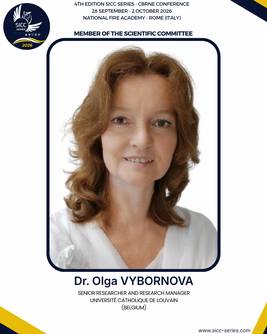
Olga Vybornova is a Senior Researcher at the Université catholique de Louvain (UCLouvain), affiliated with the Centre for Applied Molecular Technologies (CTMA), with a multidisciplinary background in information technologies, artificial intelligence, and security applications. Her work focuses on knowledge engineering, semantic technologies, and ICT solutions for crisis management and CBRN applications, including the coordination of major European projects such as eNOTICE and ENCIRCLE under Horizon 2020 programmes. She has extensive experience in managing international research collaborations and developing innovative tools for emergency response, decision support, and security systems. She has authored numerous scientific publications and actively contributes to European research initiatives aimed at enhancing preparedness and resilience in complex crisis and CBRN environments.

Raffaele Zagarella is a Colonel of the Italian Navy belonging to the Naval Engineering Corps, serving at the Interforces Centre for Studies on Military Applications (CISAM), the Italian Ministry of Defence’s technical reference centre for nuclear, electromagnetic, and electro-optical domains. His professional activity focuses on radiological protection, nuclear safety, and the management of complex technological systems in defence environments. He is actively involved in technical support, environmental monitoring, and CBRN-related activities within the Defence framework. In addition to his operational role, he collaborates as a lecturer with the Advanced Radiation Protection School “Carlo Polvani” (AIRP), contributing to the training of professionals in radioprotection and nuclear safety. His work integrates applied engineering, operational support, and advanced training in high-risk and technologically complex scenarios.